



In online shopping, even a small address mistake can mean a failed payment or a lost package. That’s why understanding what a billing address and a shipping address are, and the difference between them, matters more than most people think.
In this guide, we’ll walk you through everything you need to know about billing address vs shipping address, from why each means, to how they impact your order fulfillment.
What Is a Billing Address in Online Shopping
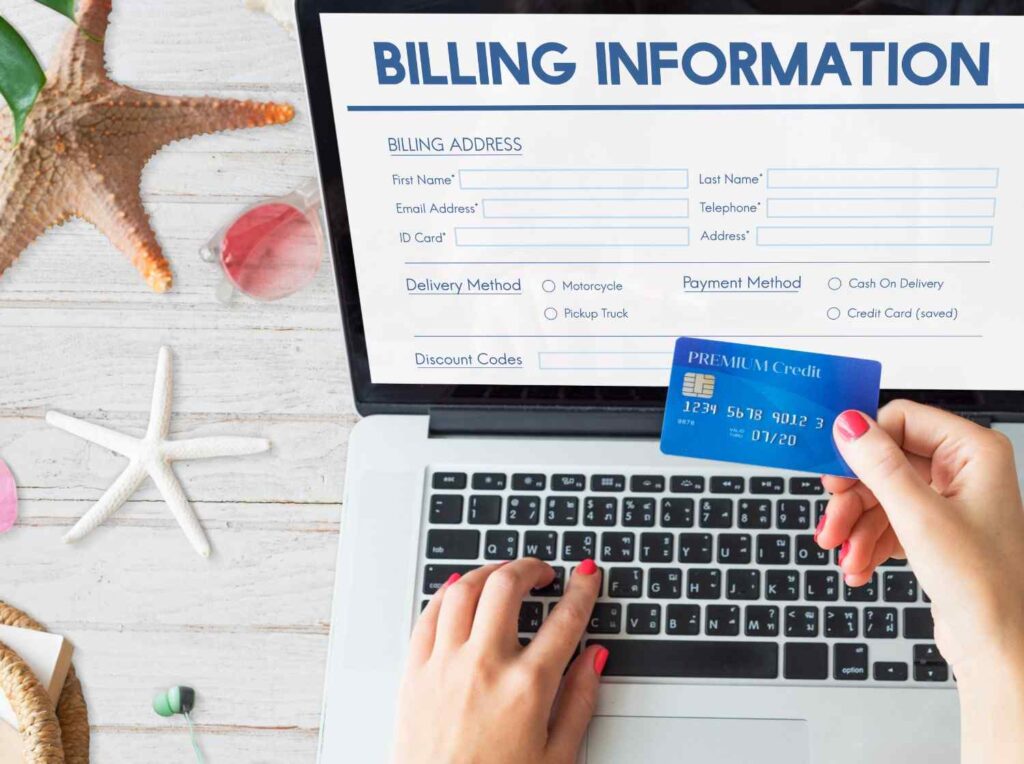
Your billing address is the address associated with your credit or debit card. It’s used by your payment provider to verify that you are the authorized cardholder. When making an online purchase, entering your card billing address accurately ensures your transaction isn’t flagged as suspicious or fraudulent.
What does billing address mean in simple terms? It’s the official address on file with your bank for that payment method—used for mailing paper financial statements or billing correspondence, and verification purposes.
Billing Address Example
Let’s say your card was issued at 123 Main St, Apt 4B, New York, NY 10001. That’s your billing address. Even if you’ve moved, unless you update it with your financial institution, your billing address will remain unchanged and could cause payment issues if you use the new address.
What Is a Shipping Address
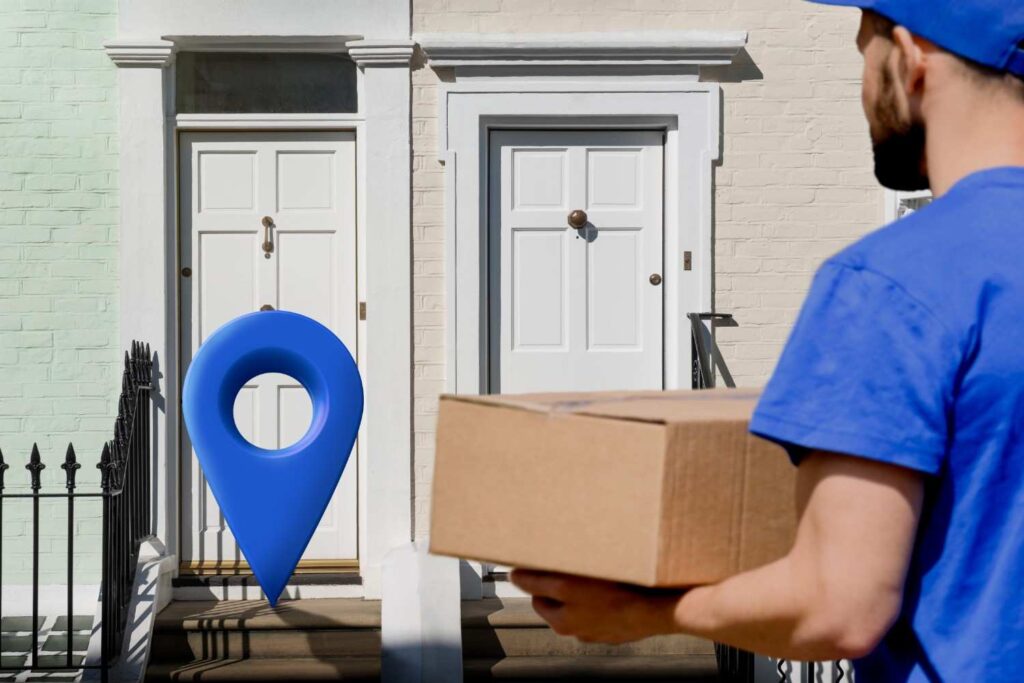
Your shipping address is the location where your purchased goods will be delivered. This can be your home, office, a friend’s place, or even a parcel locker. So, it’s the physical drop-off point for your order.
In online shopping, the shipping address is used only by couriers or delivery services, not your financial institution. It’s the address where the product goes, not where your payment information lives.
In many instances, the shipping and billing addresses may be the same, but could also be different. For example, if you place an order that is being delivered to your home address and pay for it via CC with your home address as the billing address, the shipping and billing addresses would be the same.
Billing Address vs Shipping Address: What’s the Difference?
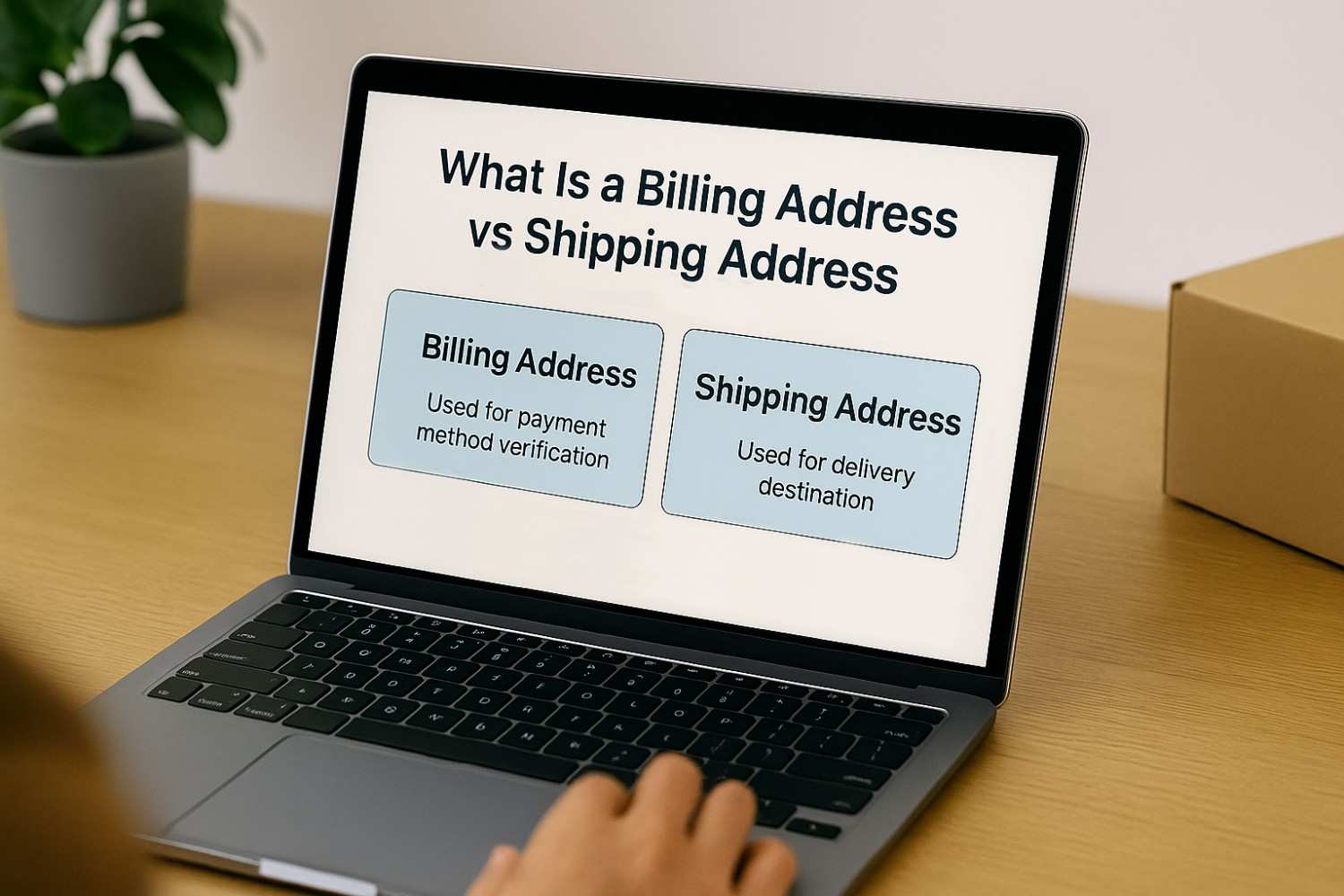
As mentioned, while they may sometimes be the same, the billing address vs the shipping address serve two different purposes.
Difference Between Billing and Shipping Address:
| Billing Address | Shipping Address |
| Linked to the payment method | Linked to the delivery destination |
| Used for identity verification | Used by carriers (FedEx, UPS, USPS) |
| Must match financial institution records | Can be any valid drop-off address |
| Common for digital transactions | Critical for physical shipments |
| Used for tax/jurisdiction info | Used to determine applicable sales tax, shipping costs, and delivery jurisdiction |
| Updated in financial systems, e.g., billing or payment systems | Updated in logistics systems for shipping |
| May require additional or other verification for high-value purchases, e.g, one-time codes, sms, phone call, etc. | May incur extra delivery or rerouting fees if wrong |
What happens if the billing and shipping addresses are different?
Having different addresses is common, for example, when sending a gift or shipping to your workplace or home, when the credit card or debit card is associated with the other addess. However, it may raise security flags if you’ve never used the alternate address before.
This is where the AVS (Address Verification System) of your payment processor kicks in to verify that your billing address matches what the card issuer has on file.
If the billing address is incorrect or doesn’t match past patterns, the transaction might be declined by your bank or payment processor.
Most retailers like Amazon [1] and Apple [2] rely on AVS checks in addition to other checks, and if there’s a mismatch, your order may be delayed, rejected, or flagged for manual review—especially for high-value or digital items.
Common Billing Address Mistakes
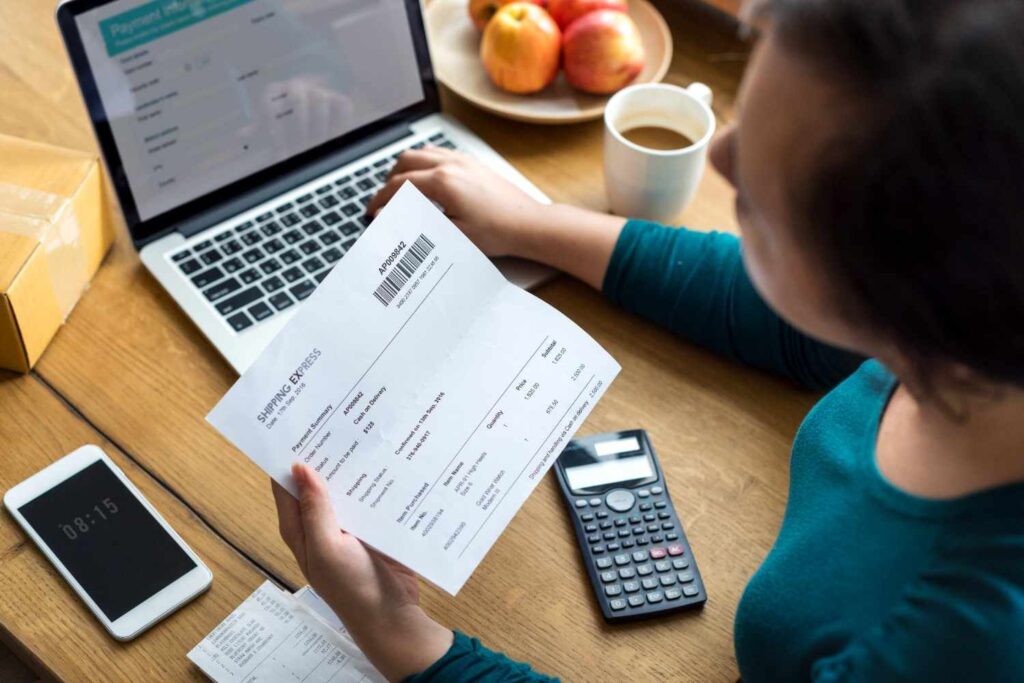
Address errors are one of the leading causes of payment failure. Let’s go over the most common ones.
New or Incorrect Address
Using your new home address before updating it with your bank is one of the most common causes of failed payments. Your card issuer still verifies transactions against the address on file. Always update your billing address with your financial institution before using it for online purchases to prevent declines or verification delays.
Billing vs. Shipping Address Confusion
Many people mistakenly enter their shipping address in the billing section. If you’re unsure, ask yourself: “What is my billing address?” It’s whatever your financial institution has on file.
Typos and Format Issues
Misspelled street names, wrong zip codes, or incorrect abbreviations (like “Apt” vs “#”) can break the payment validation process.
Common Shipping Address Mistakes
Mistakes here don’t block payments, but they can cause delays, returns, or delivery to the wrong place.
Mistakes in the Street Name
Even a single wrong letter can confuse GPS routing or courier sorting systems. Another common error is using qualified on the Street Name, like 10 East 45th St. vs 10 West 45th St. (these are two completely different addresses!).
Mistakes in the Zip Code
Zip codes determine routing speed. An incorrect one can send your package to the wrong region entirely.
Missing Apartment or Unit Number
In dense cities, with large buildings, not including a unit number can lead to failed delivery, especially in buildings with shared addresses.
Using old or saved autofill addresses
Autofill is convenient but risky if outdated. Always double-check.
Inconsistent abbreviations (St. vs Street, Apt vs #)
Carriers may interpret differently, leading to delays or fees.
Carrier Fees for Shipping Address Correction
Carriers charge extra when they have to fix delivery mistakes:
- UPS charges around $23.50 per package for address correction in 2025. Maximum of $164.50 per shipment. [3]
- FedEx charges around $24 for Ground and Express services to $168 for Express Multiweight services for corrections. [4]
- USPS does not charge correction fees like private couriers, but may apply fees if returned or redirected. [5]
- DHL Express charges $22.50 per shipment for address corrections within the U.S. [6], and from €11 (~$12.75) internationally, depending on the country. [7]
How Billing Address Errors Affect Order Fulfillment

Here’s how billing mistakes can ruin a smooth checkout:
Failed payments and processing delays
Incorrect billing info may cause authorization failure. This holds up your order and sometimes places a temporary hold on your card.
Increased chargeback and fraud risk
Banks monitor mismatches. If your billing address is inaccurate or suspicious, it may increase your fraud profile and block transactions.
Delivery mismatches and customer complaints
Some systems auto-assign shipping details based on billing input. A mismatch can confuse fulfillment teams and delay delivery.
Why It’s Important to Keep Addresses Updated

Why You Should Update Your Billing Address
Billing address:
- Protects Your Data: Outdated billing addresses could send sensitive statements or documents to the wrong place.
- Verifies Your Identity: A current billing address is essential for passing AVS checks — especially for large transactions or digital goods.
- Adds Payment Security: It helps merchants and financial institutions confirm that you are the rightful cardholder, reducing the risk of fraud or chargebacks.
- Meets Legal Requirements: In some regions, businesses are required to store accurate billing address data for compliance and tax purposes.
Why You Should Update Your Shipping Address
Here’s why keeping your shipping address current matters:
- Avoid Delivery Delays and Returns: Using an old address may result in packages being returned or delivered to the wrong location.
- Prevent Extra Carrier Fees: Couriers like UPS and FedEx charge up to $25 for correcting invalid addresses.
- Protect High-Value or Time-Sensitive Orders: Even minor errors can delay or misdirect perishable or expensive items.
- Reduce Risk of Theft: If a package arrives at an old address, it may be lost or stolen before you can retrieve it.
- Fix Auto-Fill Mistakes: Updating your address in online accounts prevents autofill from reusing outdated info.
How to Update Your Address Information
How to Update Your Billing Address
Wondering how to change billing address details? Here’s how:
- Credit/Debit Card: Log into your bank’s app or website, find your card settings, and update your address.
- Online Retailers: In your account’s payment, update your billing address.
- Subscription Services: Go to billing/account settings and update the billing information to avoid service interruptions.
Still unsure? Contact your card provider and ask: “What is my billing address on file?”
How to Update Your Shipping Address
- Log into your account on the retailer’s website.
- Navigate to “My Account” > “Addresses” or “Shipping Information.”
- Edit or delete saved shipping addresses.
- Double-check zip codes, apartment numbers, and spelling.
- If using autofill, clear your browser’s saved data to prevent outdated entries.
Why Your Billing Address and Shipping Address Really Matter
So, does billing address matter? Absolutely, for identity checks, payment processing, and data security. And while you might think it’s fine to use a shipping address as a billing address, that only works if they are the same. Otherwise, your payment may be declined.
Similarly, a wrong shipping address doesn’t affect payment, but it definitely affects delivery. Getting both addresses right ensures smooth, secure online transactions every time.
Common Questions About Billing Address
Is the billing address where you live?
Often, yes. But not always. It’s wherever your card issuer has your address, where it sends your paper statements or billing correspondence — this could be a PO box, office, or alternate residence.
What happens if you don’t put a billing address?
In most online transactions, skipping the billing address entirely will result in a failed or declined payment, as banks use it to verify your identity and prevent fraud.
However, many online marketplaces (like Amazon, Walmart, and eBay) treat billing information as proprietary and do not share the full Bill-To details with sellers or third parties. These platforms often mask email and address information for privacy and compliance reasons. So even though your billing data is required for verification, it is securely stored by the marketplace and not visible to merchants.
Can I put a different name on my billing address?
Only if that person is authorized on the account; otherwise, it may trigger fraud alerts or cause transaction failure.
Can I put the billing address as the shipping address?
Yes — if you’re shipping to your own home or office and your payment card is registered there. Most online stores and marketplaces even offer a “use shipping address as billing address” option.
Can I use the post office as an address?
Technically, you can use a PO Box for mail and packages via USPS, but not for UPS or FedEx (they do not deliver to PO Boxes). But:
- Most credit card issuers require a physical residential or billing address (not a PO Box) for card verification.
- USPS offers a “Street Addressing” service where your PO Box can be formatted like a street address—usable in some shipping forms.
Use a PO Box for certain mail, but use your real billing address for online payments to avoid declines.